

Timing Is Everything: Prune Straight After the Show
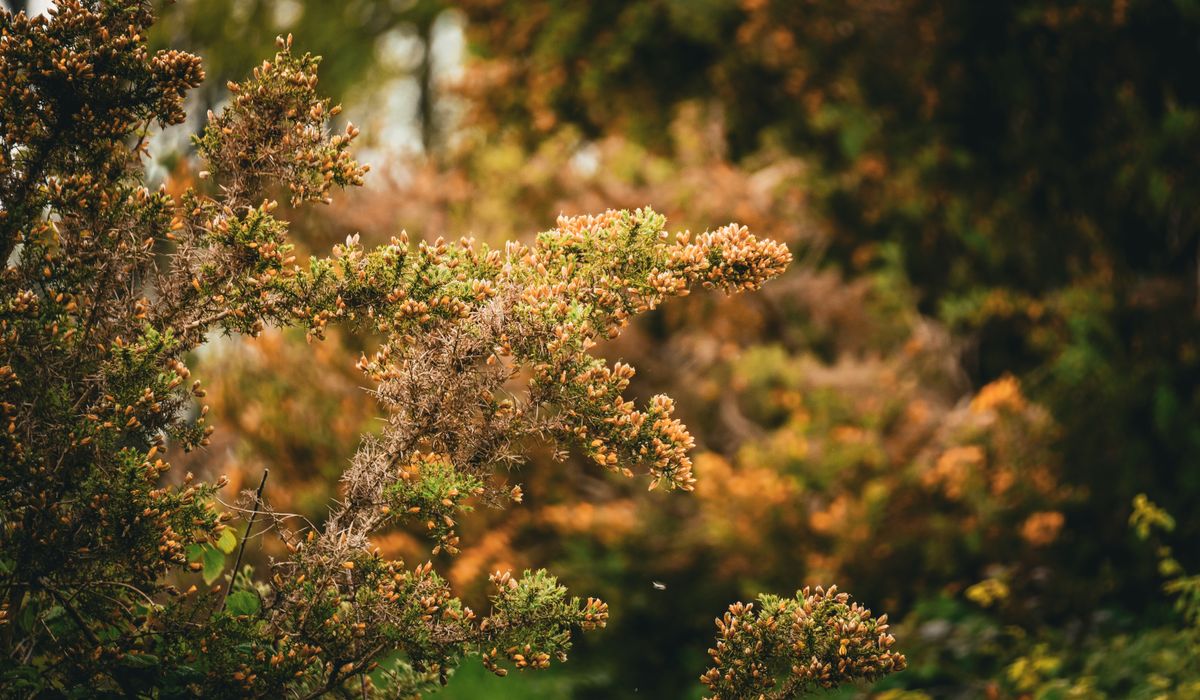
There is a quiet moment in late spring along the coast when the froth of blackthorn blossom has blown clear and the gorse has dropped its first flush of coconut-scented gold. This is your window. Early flowering shrubs — those that put on their display before midsummer — should be pruned in the weeks immediately after their blooms fade, not before. The reason is simple: these plants flower on wood they made the previous year. Cut them in winter while they are dormant and you will slice away the very shoots carrying next spring's buds. Wait until the flowers have finished, though, and the plant has a whole growing season ahead to build fresh flowering wood before the cold returns.
On exposed coastal plots this principle matters even more. Salt-laden winds and late frosts can delay flowering by a fortnight or more, so judge the timing by the plant itself rather than the calendar. When the last petal drops, reach for the secateurs.
What to Prune in Late Spring
The list of candidates is longer than most gardeners expect. Any shrub that flowers between late winter and early June falls into this group. Common examples in British coastal gardens include:
- Forsythia, whose yellow haze lights up bare hedges in March and April
- Ribes sanguineum (flowering currant), with its pink tassels and pungent foliage
- Ribes and Kerria japonica, both tolerant of wind and poor soil
- Weigela, Philadelphus and Deutzia, the backbone of many seaside borders
- Berberis and Mahonia, useful for their toughness and winter interest
- Native favourites such as blackthorn (Prunus spinosa) and wild cherry, both superb for early pollinators
- Broom (Cytisus scoparius), a coastal stalwart that resents hard cutting into old wood
Shrubs that flower later — buddleia, hydrangea, potentilla, and most roses — should be left alone at this stage. They flower on this year's growth and will be pruned in late winter or early spring instead. Getting the two groups confused is the single most common reason for a disappointing display the following year.
Tools, Technique and the Coastal Wind Factor
Start with clean, sharp tools. A pair of bypass secateurs for stems up to finger thickness, loppers for anything heavier, and a pruning saw for the genuinely woody old branches. Wipe blades with a dilute disinfectant between plants, particularly if you have been working on anything with signs of dieback or canker.
Your aim is threefold: remove dead, damaged and diseased wood; thin out the oldest stems to keep the shrub youthful; and shape the plant without stripping it bare. Work methodically:
- Cut out anything dead, brittle or blackened back to healthy green or white wood
- Remove crossing and rubbing branches that would wound each other in the wind
- Take out up to a third of the oldest stems at ground level on vigorous shrubs like forsythia and philadelphus
- Shorten the remaining flowering stems by a quarter to a half, cutting just above an outward-facing bud
- Step back every few minutes and look at the whole shape before making the next cut
Make every cut clean and angled slightly away from the bud, so rainwater runs off rather than pooling. On coastal sites, resist the temptation to cut too hard. A shrub stripped back to stumps will regrow soft, sappy growth that the first salty gale will shred. Keep the framework open but substantial — a windbreak of stems is worth more than a tidy but threadbare shrub.
Native Plants and Wildlife Considerations
If your garden includes native species, timing your pruning well is a gift to local wildlife. Blackthorn and wild cherry feed early bees and hoverflies when little else is in bloom, while their autumn sloes and cherries are taken by birds. Prune straight after flowering and you avoid cutting into nesting season, which for most garden birds runs from March to August.
Where you can, leave a proportion of native shrubs unpruned each year. A blackthorn hedge allowed to grow a little ragged provides far more nesting cover than one clipped to a tight line. If you are working near a boundary with wild ground, check for active nests before you start — it is both good practice and, for wild birds, a legal requirement.
Feeding, Mulching and Aftercare
Pruning is a shock to the system, and a plant that has just been cut back appreciates a little kindness. Scatter a balanced general-purpose fertiliser around the drip line at the recommended rate, then mulch with well-rotted garden compost or manure to a depth of about five centimetres. Keep the mulch clear of the stems themselves to avoid rotting the bark.
Water newly pruned shrubs during any dry spell through late spring — even drought-tolerant coastal plants benefit while they are pushing out fresh growth. Within a few weeks you should see strong new shoots breaking from the cut points. These are the stems that will carry next year's flowers, so protect them from wind rock by firming the plant back in if the roots have lifted.
Finally, keep a note of what you pruned and when. A simple diary entry saves a great deal of head-scratching the following spring, and it will soon tell you which shrubs in your particular patch of coast flower early and which run late. Every garden has its own microclimate, and the plant always knows better than the calendar.



John Doe
14 January, 2022Having no content in post should have adverse..
Chauffina Carr
10 April, 2022We use these tests all time! Killer stuff!
Jim Séchen
16 July, 2022Thanks for all the comments, everyone!