

Why Seaweed Deserves a Place in Your Coastal Garden
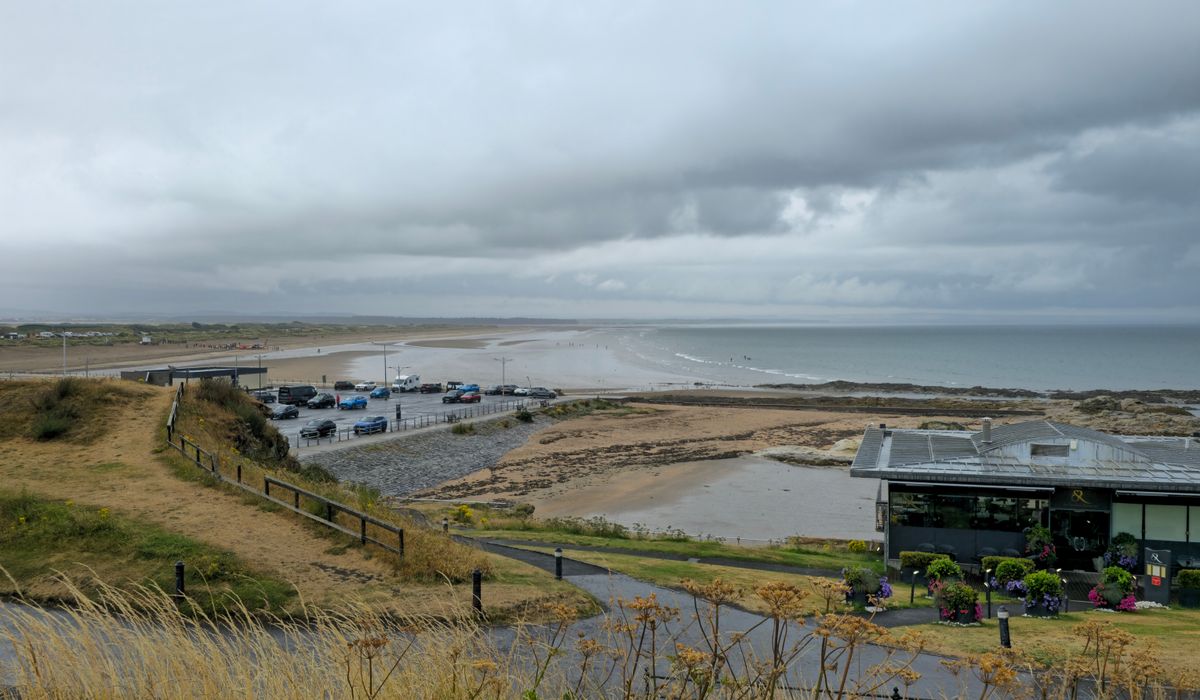
Walk along any British beach after a decent gale and you will find the strandline heaped with brown wrack, kelp stipes and the occasional tangle of sea lettuce. For coastal gardeners, that pile is not rubbish — it is one of the oldest and most generous soil amendments going, and it costs nothing but a walk and some patience.
Seaweed brings more to the border than most people expect. It holds nitrogen and potassium in useful quantities, along with magnesium, calcium, sulphur and a long list of trace elements including iodine and boron. The alginates — the gummy compounds that make kelp so slippery — act as soil conditioners, binding sandy coastal ground so it holds moisture and nutrients instead of losing them with every downpour. Used well, it suppresses weeds, feeds worms and slowly releases everything your shrubs need.
The key phrase is used well. Fresh seaweed is salty, wet and heavy, and a thick blanket of it can do more harm than good. Here is how to get the benefits without the drawbacks.
Collecting Storm Cast Seaweed Responsibly
Only ever take seaweed that has already been washed ashore. Storm cast weed is dead or dying material, detached from the rocks, and removing a sensible amount for your own garden does no harm. Pulling living weed off rocks is a different matter: attached seaweeds are habitat and nursery grounds for a whole community of shore life, and in many places it is against local byelaws to remove them.
- Check the rules first. Foreshore ownership varies, and many Sites of Special Scientific Interest, nature reserves and Marine Conservation Zones prohibit removal of anything, strandline weed included. A look at your council's website or a word with the warden will settle it.
- Take from the upper strandline. That material is already drying out and is less valuable to feeding birds and invertebrates than the fresh weed at the water's edge.
- Leave plenty behind. The strandline feeds sandhoppers, which in turn feed wading birds. Never strip a beach bare, and never take more than you will actually use.
- Gather after a storm, when there is abundance, and carry it in a sack or trug rather than dragging it across the sand.
Rinsing Off the Excess Salt
Salt is the one real risk in this whole exercise. A little is harmless — coastal plants are used to it — but concentrated salt in the root zone can scorch foliage, damage soil structure and set back soft growth, particularly in containers and around young plants.
Rinsing is straightforward. Fill a wheelbarrow or trug with fresh water, dunk the seaweed and swish it about, then lift it out and let it drain. If you have space, spread it on a hard surface and let a couple of good rain showers do the work — a fortnight outdoors in a wet British autumn will leach most of the salt away. Weed that has been stacked and rained on for a month or two is also partly broken down, which makes it gentler on plants. If water is short, spread the weed thinly and let the rain rinse it in situ, but keep it well clear of stems and crowns while it is still fresh.
How to Spread It — Thinly Is the Trick
Thickness matters more than anything else. A layer of around 2–5cm is plenty. Pile it on 15cm thick and you create a matted, airless blanket that turns slimy, smells sour and harbours slugs and flies.
- Spread it around established shrubs, roses, fruit bushes and perennials, leaving a gap of a few centimetres between the seaweed and any stem or trunk.
- Let it dry and shrink naturally — fresh weed takes up far more volume than it will once weathered.
- Top it up once or twice a season rather than applying one heavy dose.
- On sandy soils, dig the spent remains in at the end of the season; the alginates will have done their work and the material will have broken down into decent humus.
What to Use It Around, and What to Avoid
Established shrubs, hedges, roses, raspberries, rhubarb and most hardy perennials love it. Avoid spreading fresh seaweed directly around seedlings, newly planted specimens or anything in a small pot, where there is nowhere for the salt to go.
Be cautious around lime-hating plants such as rhododendrons, camellias and blueberries if your soil is already alkaline, since seaweed is mildly liming over time. And do remember that a seaweed mulch makes excellent shelter for slugs and snails — a light rake-over every week or two keeps the surface less inviting.
A Slow Habit Worth Keeping
Seaweed is not a quick fix. It feeds slowly, improves the soil gradually and rewards those who use it little and often. Treat the strandline as a resource to be borrowed rather than stripped, rinse it well, spread it thin, and your coastal garden will repay you with healthier soil, fewer weeds and shrubs that shrug off the salt wind.




John Doe
14 January, 2022Having no content in post should have adverse..
Chauffina Carr
10 April, 2022We use these tests all time! Killer stuff!
Jim Séchen
16 July, 2022Thanks for all the comments, everyone!