

Why Native Shrubs Earn Their Place on the Coast
A seaside border asks a great deal of a plant. Salt-laden wind scorches soft leaves, grit scours bark, soil is often thin, free-draining and low in organic matter, and constant buffeting forces stems to flex until only the well-anchored survive. Native shrubs have spent thousands of years working out this brief on British shorelines. They arrive with thick or waxy foliage, compact habits and deep roots, and they give a border the settled, weather-beaten character that tender exotics rarely manage beyond one good summer.
Get the structure right with a handful of reliable natives and everything else becomes easier. The shrubs slow the wind, trap moisture, build soil, and shelter the more delicate perennials and bulbs you want to grow in their lee.
Sea Buckthorn: The Front-Line Defender
Hippophae rhamnoides is the classic shingle-beach shrub and almost impossible to beat for the most exposed position. Silvery, narrow leaves deflect salt and reduce moisture loss, and its thorny, dense branching takes the edge off the sharpest gales. It is also a nitrogen fixer, quietly enriching poor sand and shingle as it grows.
Two things to know before planting. Sea buckthorn is dioecious, so you need both a male and a female plant if you want the bright orange autumn berries — one male to roughly four or five females is plenty. It also suckers freely, sending up new stems across the border. That is a blessing if you want a self-renewing windbreak and a nuisance in a tight, formal space, so give it room or sink a root barrier at planting time.
Prune lightly in late winter to remove crossing branches and keep it in bounds. Wear thick gloves and eye protection — the thorns are unforgiving.
Elder: Fast, Generous and Surprisingly Tough
Sambucus nigra is often dismissed as a hedgerow thug, which is a shame. On the coast it is fast, forgiving and generous: creamy flower heads in June, black berries in early autumn, and a coarse, wind-filtering canopy that gives new borders instant height and shelter while slower shrubs fill in.
Elder tolerates salt spray better than most gardeners expect and will grow in almost any soil, including chalk and heavy clay. It responds well to hard pruning — cut stems back to a low framework in late winter to keep it as a manageable bushy shrub rather than a small tree. Avoid cutting between March and August, when nesting birds are using it, and never eat the berries raw; they need cooking.
Wild Privet: Quiet Structure All Year
For a tidy, semi-evergreen backbone, Ligustrum vulgare is hard to beat. Its small, dark leaves and dense twiggy growth make it an excellent wind-filter and a superb choice for a low coastal hedge or a clipped background to perennial planting. It is more graceful and wildlife-friendly than its garden-centre cousin, with small white flowers in summer followed by glossy black berries that blackbirds strip by December.
Wild privet clips beautifully, holds its shape through winter, and tolerates both drought and salt. Trim once in early summer, then lightly again in late summer if you want a crisp edge. If you would rather not clip, let it grow loose — it will reach around two metres and provide cover for small birds.
Planting and the First Three Seasons
Autumn is the ideal moment to plant, while the soil is still warm and rain is on the way. Choose a still, damp day and set shrubs slightly proud on heavy ground, or in a shallow dip on sandy sites to catch water. A few practical points make a real difference:
- Improve the planting hole with garden compost or well-rotted manure, but do not overfeed. Rich soil encourages soft, sappy growth that salt wind shreds.
- Firm in well and water thoroughly, then mulch to 7–8cm with bark or compost, keeping it clear of the stems.
- Water deeply once a week through the first two summers. After that, natives should fend for themselves.
- Stake only if the plant is top-heavy, and remove ties after two seasons so stems can move and thicken.
- In the first winter, rig a temporary windbreak of permeable netting on the windward side. Never use solid plastic — it creates damaging turbulence.
Companions That Hold Their Own
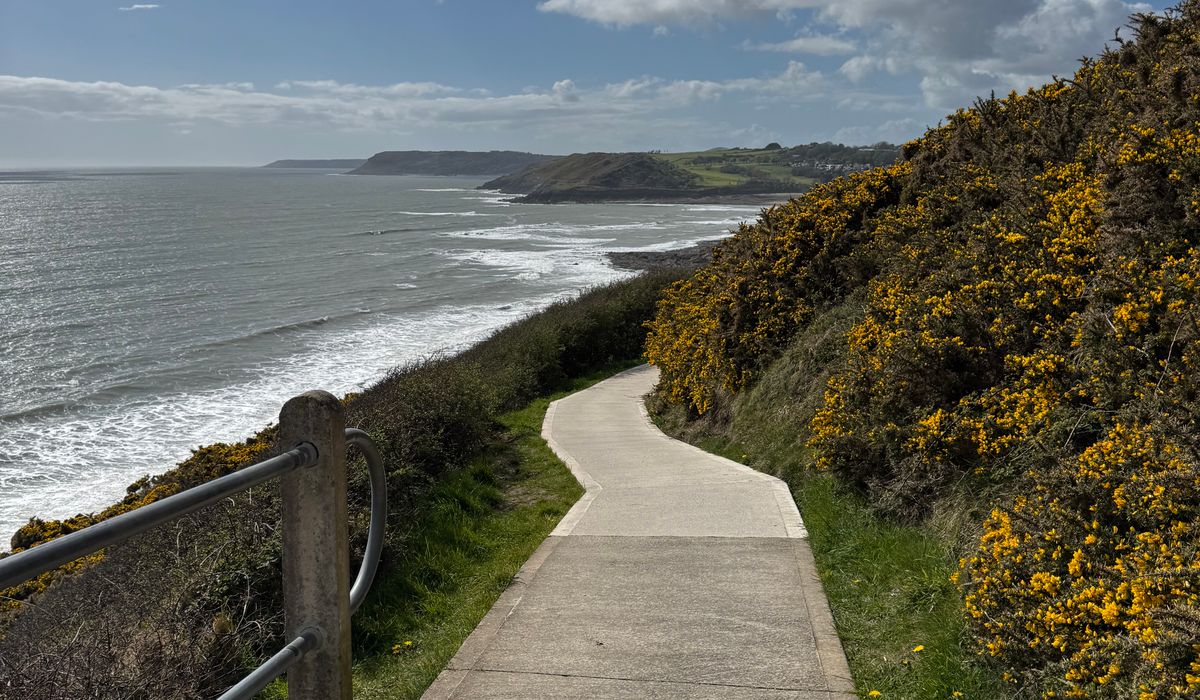
Once the main structure is in, widen the palette with other natives that shrug off the weather. Cytisus scoparius (broom) brings yellow flowers and a fine, wind-slipping texture. Ulex europaeus (gorse) is impenetrable in the best way and smells of coconut in spring. Prunus spinosa (blackthorn) gives early blossom and sloes, while Rosa canina scrambles through its neighbours with hips that feed the birds into winter.
Plant in loose drifts rather than neat lines, allow the wind to sculpt the outer edge, and the border will look as though it belongs there. Coastal gardening rewards patience and a thick coat, but with natives in the ground you are working with the place rather than against it.


John Doe
14 January, 2022Having no content in post should have adverse..
Chauffina Carr
10 April, 2022We use these tests all time! Killer stuff!
Jim Séchen
16 July, 2022Thanks for all the comments, everyone!