


Why Coastal Gardens Punch Above Their Weight
Few places in Britain are as alive as the coast. Whether you garden on a windswept clifftop in Cornwall, a sandy-soiled plot behind the dunes in Norfolk, or a sheltered estuary garden in west Scotland, your patch sits within easy reach of some of our most remarkable wildlife. Seabirds wheel overhead, solitary bees nest in bare sand, and butterflies pause on wind-hardy wildflowers before the next gust arrives.
Coastal gardens also tend to be difficult gardens. Salt spray scorches tender leaves, wind snaps stems, and sandy soil drains before a plant has settled. That difficulty is precisely what makes native planting such a good fit. Species that evolved on our shores simply shrug off the conditions that defeat a bedding display, and in doing so they feed the insects and birds that share the same landscape.
Leave a Wild Corner (and Resist the Urge to Tidy)
The single most valuable thing you can do is to stop. Set aside a corner — even two or three square metres is enough — and let it go. This is the part of the garden that will do the heavy lifting for insects, and it costs nothing but restraint.
- Bare, undisturbed ground for solitary mining bees, which need warm, sandy patches to excavate their nest tunnels.
- A log pile in partial shade for beetles, overwintering queens and the larvae of hoverflies.
- Dead stems and seed heads left standing through winter, providing shelter for ladybirds and a larder of seed for finches and sparrows.
- Leaf litter and long grass tufts around the base of hedges, where wrens and dunnocks will forage quietly out of the wind.
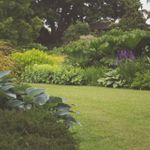
If the wild corner starts to look scruffy in high summer, cut it in sections rather than all at once, and hold off until late spring so that overwintering insects have time to emerge. A gentle domestic edge — a mown path, a few clipped shrubs — frames the wildness beautifully and keeps neighbours on side.
Choose Native Plants That Can Take Salt and Wind
Coastal planting is a case of matching the plant to the place. These natives are tough, nectar-rich and utterly at home in maritime conditions.
- Sea thrift (Armeria maritima) — tight pink drumsticks in early summer, adored by bees, and happiest in the poorest, sandiest soil.
- Kidney vetch — a low, silvery scrambler and the sole larval food plant of the small blue butterfly.
- Viper's bugloss — brilliant blue flower spikes that hum with bumblebees and attract painted ladies on migration.
- Sea campion and red campion — generous spring nectar for early bees, and useful cover for ground-nesting birds.
- Yarrow, wild carrot and ox-eye daisy — flat, open flowers that give hoverflies and beetles somewhere to land.
- Marram grass and sea lavender for the windiest, most exposed spots where little else will hold.
- Gorse, hawthorn and elder as a low, salt-tolerant windbreak that doubles as nesting habitat.
Plant in autumn while the soil is warm and the rain does the watering for you. Group plants in generous drifts rather than scattering singles — insects find larger blocks of colour far more easily.
Offer Fresh Water Every Day of the Year
Fresh water is the missing ingredient in most coastal gardens. Seabirds and shorebirds can drink salt-laden water, but they cannot bathe in it, and a herring gull, oystercatcher or passing rock pipit will happily detour for a clean, shallow pool. Butterflies and bees need it too, particularly in a hot July when dew dries within minutes.
- Use a shallow dish no more than 5cm deep, with pebbles or a piece of slate as a landing pad and escape route.
- Place it in the open with a clear sightline, but within a few metres of a shrub so birds can dash for cover.
- Refresh and scrub it at least twice a week in warm weather — stagnant, algae-filled water spreads disease.
- In hard frost, float a small ball or pour warm (not boiling) water on top to keep a drinking hole open.
A shallow, gently sloping bird bath suits both purposes, so long as the sides are not sheer. Avoid steep-sided barrels and butts unless you add a ramp of stone or wire mesh.
Step Away From Pesticides
There is no wildlife-friendly way to spray. Slug pellets, weedkillers and garden insecticides do not stay where they are put — they move up the food chain into the birds that eat the affected insects and seed. Even a single spray for aphids can strip a rose of the greenfly that blue tits depend on to feed their chicks.
The coastal garden gives you an advantage here. Wind, salt and dry soil already suppress many pests, and a diverse planting scheme builds its own balance. Ladybirds, lacewings, ground beetles and hedgehogs will do the work if you let them. Tolerate a few nibbled leaves, hand-pick slugs after rain, and leave dandelions and clover in the lawn through spring — they are among the earliest and most valuable nectar sources of the year.
Nesting, Shelter and a Little Local Knowledge
Before you cut a hedge or clear a shed roof, check for nests. Gulls, fulmars and some waders are legally protected, and disturbing an active nest is an offence, so time any major work for late autumn. For smaller visitors, a couple of open-fronted nest boxes tucked under an eave, plus a house martin cup if you have deep eaves, will be gratefully received.
Finally, learn what your stretch of coast does well. If oystercatchers roost on the nearby shore, they will appreciate a quiet, undug corner of gravel. If six-spot burnet moths feed on the seaward verge, plant more birds-foot trefoil along your boundary. A coastal garden that mirrors its surroundings — a little ragged, a little salty, deeply generous — will reward you with more life than any manicured plot ever could.




John Doe
14 January, 2022Having no content in post should have adverse..
Chauffina Carr
10 April, 2022We use these tests all time! Killer stuff!
Jim Séchen
16 July, 2022Thanks for all the comments, everyone!