

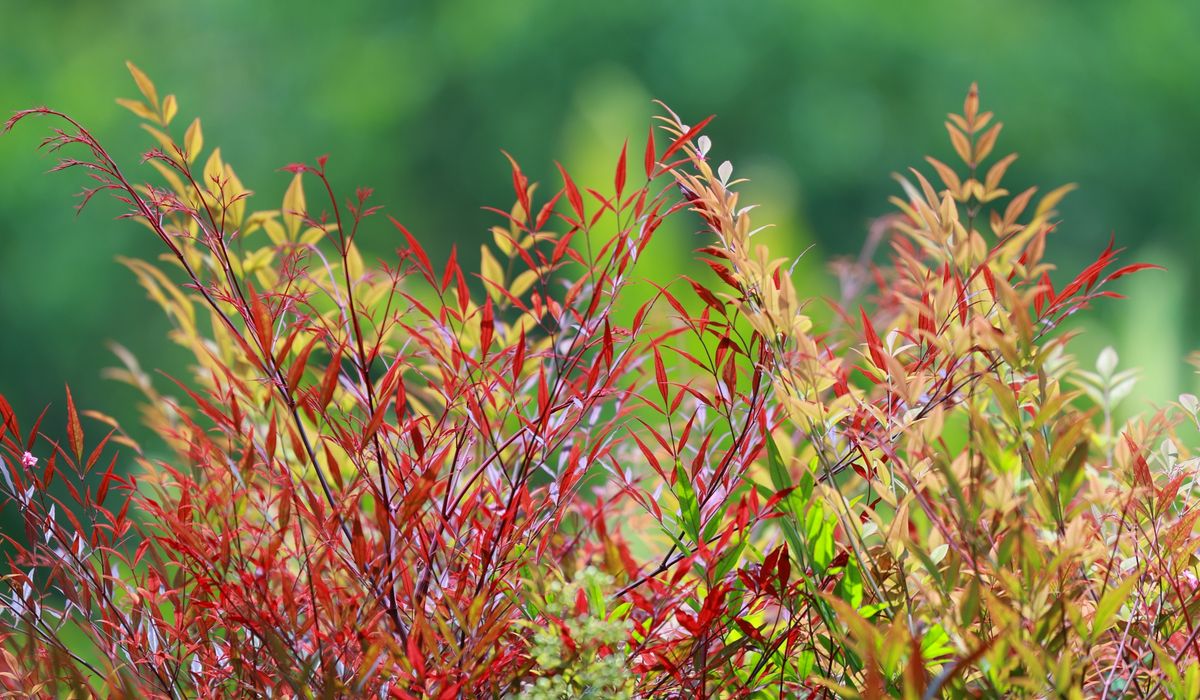
Why sea breezes are tough on container plants
Coastal wind is not just wind. It carries salt and a drying edge that strips moisture from leaves faster than roots can replace it. In a border, deep soil gives plants a reserve to draw on. In a pot, that reserve is tiny. Salt lands on leaves and compost, drawing water out of tissues and causing scorched margins, curled growth and bud drop. Windrock loosens roots, while salt-laden water sits in the root ball and raises conductivity, making it harder for roots to take up water even when the compost feels damp. The answer is not to fight the sea, but to work with it.
Start with large pots and loam-based compost
Small pots are the enemy of coastal container gardening. They dry out quickly, heat up fast and concentrate salt with every evaporation cycle. Choose the largest pot you can accommodate and move safely. A minimum of 45cm (18in) across is a good target for shrubs and tall perennials; 30cm (12in) works for compact natives such as thrift. Heavy materials — frost-proof terracotta, glazed ceramic, cast concrete or thick timber — stay put in gusts and keep root temperatures steadier.
Compost matters as much as the pot. Loam-based compost, often sold as John Innes No. 2 or No. 3, holds moisture and nutrients far better than light peat-free mixes and buffers salt damage in the root zone. Mix in 20 per cent horticultural grit or sharp sand for drainage, plus a slow-release fertiliser. Raise pots on feet or bricks so excess water escapes, but keep them low enough that wind cannot tip them.
- Large pot: at least 45cm across for shrubs, 30cm for alpines.
- Loam-based compost: John Innes No. 2 for perennials, No. 3 for shrubs.
- Drainage: add grit, use crocks or mesh over holes, and stand pots on feet.
- Weight: heavy pots resist windrock and protect roots from rapid temperature swings.
Rinse leaves and flush root balls regularly
Salt on foliage is easy to see after a gale: leaves look dull, grey or scorched. Rinse them with fresh water in the early morning, so they dry before evening. A gentle hose or a watering can with a rose is enough. Do this after every salty spell, and once a week through windy weather. Don't rinse in full sun, as droplets can magnify light and burn leaves.
Salt also accumulates in the compost. Every two to four weeks, flush the root ball by slowly pouring through twice the pot's volume of fresh water, letting it drain freely. Rainwater is ideal; tap water is fine in most UK coastal areas, though it may leave lime deposits. Never let pots stand in saucers of salty water — empty them after rain or watering. If a saucer is essential for stability, tip it out within an hour.
- Rinse foliage after every sea breeze or storm.
- Flush compost every 2–4 weeks in exposed gardens.
- Use rainwater where possible; avoid water sitting in saucers.
- Water deeply in the morning rather than little and often.
Native plants that shrug off salt and wind
UK native coastal plants are adapted to salt, drought and wind. They often have fleshy, waxy or hairy leaves that protect against moisture loss. In containers, they combine beautifully with gravel mulch. Sea thrift (Armeria maritima) forms tight pink-flowered cushions. Sea campion (Silene uniflora) has white bells and grey-green leaves. Sea lavender (Limonium species) brings airy summer flowers. Rock samphire (Crithmum maritimum) has edible, aromatic leaves and umbels of greenish flowers. Sea kale (Crambe maritima) is a bold, cabbage-like plant with honey-scented white flowers. Sea holly (Eryngium maritimum) is spiky, blue-grey and architectural.
Plant them in loam-based compost with extra grit, and top-dress with gravel to reduce evaporation and stop salt splashing onto leaves. These natives cope with wind, but they still need regular flushing to keep compost salts low.
Shelter, grouping and watering
You cannot stop the wind, but you can interrupt it. Group pots together so plants shelter each other. Place the most tender or broad-leaved specimens behind tougher natives. A permeable windbreak — woven willow, netting or a slatted screen — filters wind without creating damaging turbulence. A solid wall or fence can actually make gusts worse at the base, so leave a gap or use a porous barrier. Avoid deep rain shadows beside walls, where pots stay dry and salt is not washed away.
Check pots every morning in summer; on hot, windy days they may need a second drink in the evening. Water until it runs out of the drainage holes, then stop. This encourages roots to grow deep into the compost. A gravel mulch slows evaporation, and grouping pots reduces wind exposure on all sides.
Seasonal care for long-term health
In spring, scrape away the top 2–3cm of compost if it looks salt-crusted, and replace it with fresh loam-based mix. Feed with a balanced slow-release fertiliser, but avoid high-nitrogen feeds that produce soft, salt-sensitive growth. Repot every two to three years, or when roots fill the pot, into fresh loam-based compost. Autumn is the time to check drainage, raise pots onto fresh feet and remove any saucers that could collect winter rain. In mild coastal areas, most native plants overwinter happily; in colder spots, wrap pots with hessian or move them to a sheltered corner.
With large pots, loam-based compost and regular rinsing, a salty breeze becomes an asset rather than a threat. Your containers will stay hydrated, your root balls will stay healthy, and your garden will look as though it belongs by the sea.




John Doe
14 January, 2022Having no content in post should have adverse..
Chauffina Carr
10 April, 2022We use these tests all time! Killer stuff!
Jim Séchen
16 July, 2022Thanks for all the comments, everyone!